The Importance of Certifications in Live Audio Engineering

In the world of live audio engineering, the difference between a good show and a great one often hinges on the skills and knowledge of the audio engineer. As technology evolves and the demands of live performances increase, the need for qualified professionals becomes paramount. This is where certifications come into play. They not only validate an engineer's skills but also enhance their credibility in a competitive industry.
Understanding Live Audio Engineering
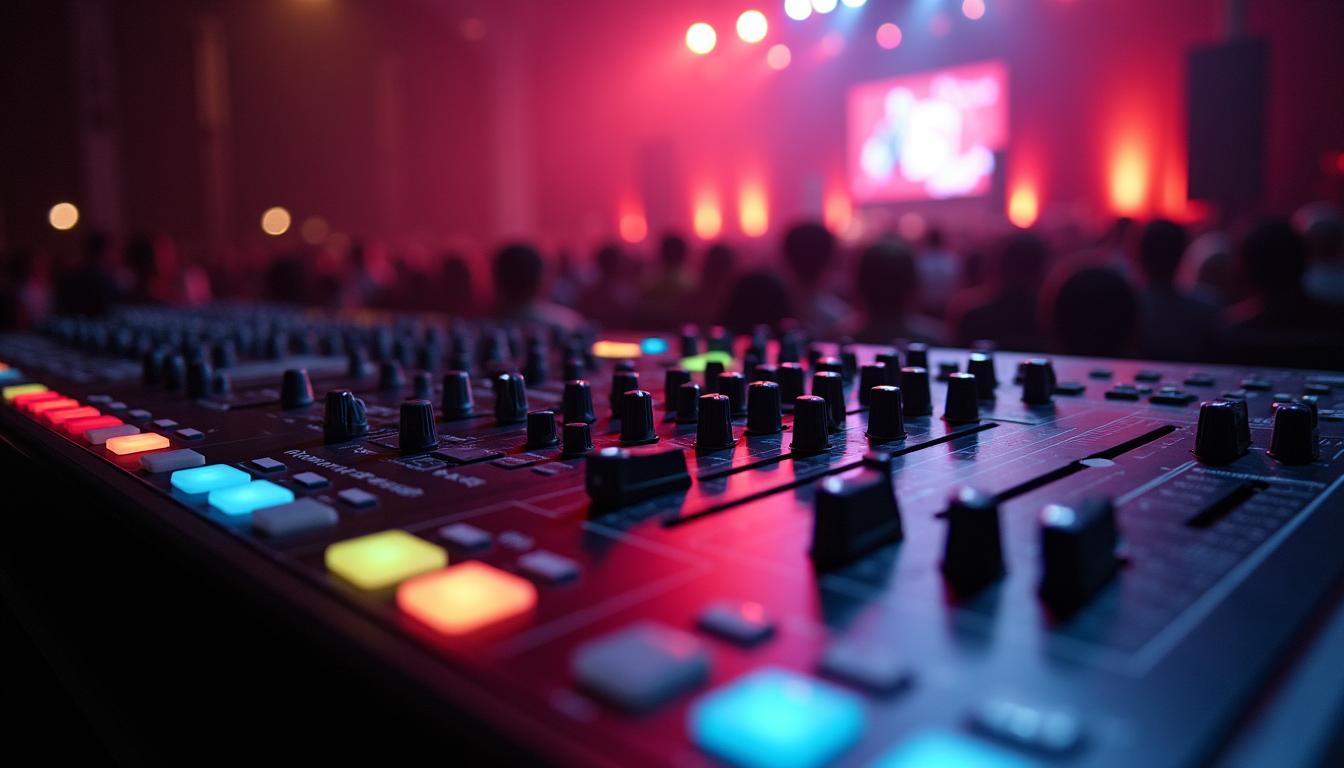
Live audio engineering involves the management of sound during live performances, including concerts, theater productions, and corporate events. The role encompasses various tasks, such as:
Setting up audio equipment: This includes microphones, speakers, and mixing consoles.
Sound checks: Ensuring that all equipment is functioning correctly and that the sound quality meets the desired standards.
Mixing audio: Balancing levels, adjusting EQ, and applying effects in real-time to create the best possible sound for the audience.
Troubleshooting: Quickly resolving any technical issues that arise during a performance.
Given the complexity of these tasks, having a solid foundation in audio engineering principles is essential. This is where certifications can make a significant difference.
Why Certifications Matter
Validation of Skills
Certifications serve as proof of an engineer's knowledge and skills. They demonstrate that the individual has undergone rigorous training and has a comprehensive understanding of audio engineering principles. This validation is crucial for employers who want to ensure they are hiring qualified professionals.
Competitive Edge
In a field where many individuals may have similar experience levels, certifications can provide a competitive edge. They can set an engineer apart from others who may not have formal recognition of their skills. This can be particularly important when applying for jobs or freelance opportunities.
Networking Opportunities
Many certification programs offer networking opportunities with industry professionals. This can lead to valuable connections, mentorships, and potential job offers. Being part of a community of certified professionals can also provide ongoing support and resources for career development.
Keeping Up with Industry Standards
The audio engineering field is constantly evolving, with new technologies and techniques emerging regularly. Certifications often require continuing education, ensuring that engineers stay current with industry trends and advancements. This commitment to learning can enhance an engineer's effectiveness and adaptability in various situations.
Types of Certifications in Live Audio Engineering
There are several certifications available for live audio engineers, each focusing on different aspects of the field. Here are some of the most recognized certifications:
1. Certified Technology Specialist (CTS)
Offered by the Audiovisual and Integrated Experience Association (AVIXA), the CTS certification is widely recognized in the audiovisual industry. It covers various topics, including audio, video, and lighting systems, making it a comprehensive choice for those in live audio engineering.
2. Avid Certified User
Avid offers certifications for users of its Pro Tools software, which is widely used in the audio industry. The Avid Certified User program focuses on the fundamentals of audio recording, editing, and mixing, making it ideal for those who work with Pro Tools in live settings.
3. Sennheiser Sound Academy
Sennheiser offers various training programs and certifications focused on their audio equipment. These certifications help engineers understand how to use Sennheiser products effectively, which can be beneficial for those working in environments where Sennheiser equipment is prevalent.
4. Yamaha Commercial Audio Training
Yamaha provides training and certification for its audio equipment, including digital mixing consoles. This certification is particularly useful for engineers who frequently work with Yamaha gear in live sound situations.
5. Shure Audio Institute
Shure offers training programs that cover microphone technology, wireless systems, and audio mixing. Their certifications help engineers understand how to optimize Shure products for live performances.
How to Choose the Right Certification
When considering which certification to pursue, it's essential to evaluate your career goals and the specific skills you wish to develop. Here are some factors to consider:
Relevance to Your Career Path: Choose a certification that aligns with your career aspirations. For example, if you plan to work primarily with a specific brand of equipment, consider certifications offered by that manufacturer.
Industry Recognition: Research which certifications are most respected in your area of expertise. Some certifications may carry more weight in certain regions or sectors of the industry.
Cost and Time Commitment: Evaluate the cost of the certification program and the time required to complete it. Ensure that it fits within your budget and schedule.
Learning Style: Consider whether you prefer online courses, in-person training, or a combination of both. Choose a program that matches your learning preferences.
The Process of Obtaining Certification
Step 1: Research
Begin by researching the certifications available in live audio engineering. Look for programs that align with your career goals and interests.
Step 2: Enroll in a Program
Once you've chosen a certification, enroll in the program. This may involve attending classes, completing online modules, or participating in hands-on workshops.
Step 3: Study and Prepare
Dedicate time to studying the material covered in the certification program. Utilize resources such as textbooks, online forums, and study groups to enhance your understanding.
Step 4: Take the Exam
After completing the required coursework, you will need to pass an exam to obtain your certification. Ensure you are well-prepared and understand the exam format.
Step 5: Maintain Your Certification
Many certifications require ongoing education to maintain your status. Stay informed about industry developments and participate in additional training as needed.
Real-World Examples of Certification Impact
Case Study 1: A Successful Concert Tour
Consider the case of a live audio engineer who obtained their CTS certification. During a major concert tour, they were responsible for managing the sound for multiple venues. Their certification provided them with the knowledge to troubleshoot issues quickly, ensuring that each performance went off without a hitch. As a result, they received praise from both the artists and the production team, leading to more job offers in the future.
Case Study 2: Transitioning to a New Role
Another example is an engineer who had been working primarily in studio settings. After obtaining an Avid Certified User certification, they transitioned into live sound engineering. The certification not only boosted their confidence but also made them more attractive to potential employers looking for engineers with live sound experience.
The Future of Certifications in Live Audio Engineering
As technology continues to advance, the importance of certifications in live audio engineering will likely grow. New tools and techniques will emerge, necessitating ongoing education and training. Engineers who invest in their professional development through certifications will be better equipped to adapt to these changes and excel in their careers.
Conclusion
Certifications play a crucial role in the field of live audio engineering. They validate skills, provide a competitive edge, and offer networking opportunities that can lead to career advancement. By pursuing relevant certifications, audio engineers can enhance their knowledge, stay current with industry trends, and ultimately deliver exceptional sound experiences for audiences.
Investing in your education through certifications is not just a step toward personal growth; it is a commitment to excellence in the ever-evolving world of live audio engineering.

Comments